
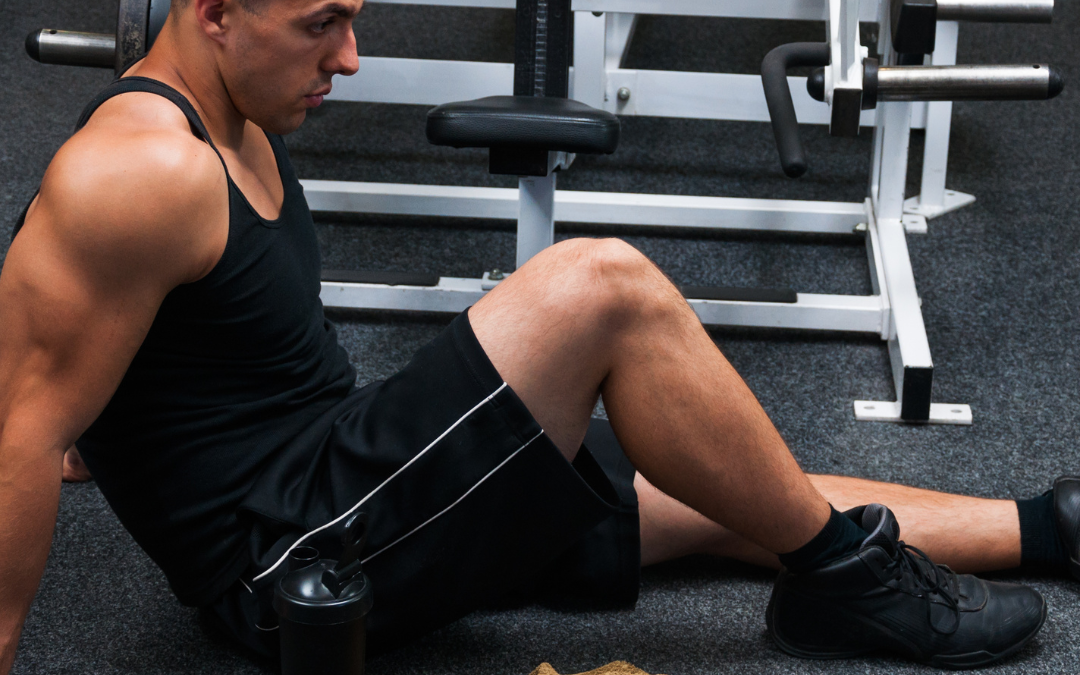
Rest is essential for managing muscle soreness, especially for those active in Spring Valley. After a workout, your muscles need time to recover and repair, which ultimately helps prevent injuries. Ignoring the need for rest can lead to prolonged soreness and fatigue, hindering your fitness progress. Prioritizing restorative activities like gentle stretching or yoga can enhance circulation and alleviate discomfort. Listening to your body and allowing it to rest is crucial for maintaining your overall well-being and performance, ensuring you can enjoy all the activities Spring Valley has to offer.
The Importance of Rest for Muscle Recovery

Rest plays a key role in muscle recovery, especially for individuals who regularly engage in physical activities. When muscles work hard during exercise, tiny tears form in the fibers, requiring time to heal. Rest periods allow this repair process to take place, strengthening the muscles and preparing them for future challenges. Without adequate rest, the body cannot repair these fibers, which can lead to further strain or injury.
Overtraining without rest can also increase fatigue, leading to decreased performance. Incorporating rest days into your routine gives muscles time to regenerate, ensuring long-term fitness success.
How Rest Prevents Prolonged Muscle Soreness
Rest is essential in managing post-workout soreness, known as delayed onset muscle soreness (DOMS). When you exercise intensely, it’s common to feel sore for a day or two afterward. Resting allows muscles to recover, reducing the intensity of DOMS and ensuring that soreness doesn’t last longer than necessary. Prolonged soreness can negatively affect your ability to continue with your fitness routine.
In addition, a lack of rest can lead to chronic muscle pain, which impacts your motivation and progress. Rest and recovery minimize soreness, making workouts more enjoyable and sustainable.
Balancing Activity and Rest for Optimal Health
Balancing your workout routine with rest is critical for maintaining a healthy body. It’s important to listen to your body and take breaks when needed, even if you are eager to stay active. Overworking your muscles without recovery periods can weaken your immune system, reduce energy levels, and result in diminished exercise performance.
By integrating rest days and lighter activities like yoga or walking, you allow your body to recover while staying active. This balance between movement and rest supports overall health and keeps your muscles functioning optimally.
How Rest Reduces the Risk of Injury
Rest isn’t just about reducing soreness; it’s also crucial in preventing injuries. Muscles, tendons, and ligaments require time to heal after being strained. When you skip rest, your body may compensate for sore muscles by changing your movement patterns, which can lead to injuries in other areas.
Rest days and lighter exercises allow these tissues to recover properly, reducing the likelihood of sprains, strains, or overuse injuries. A well-balanced routine that incorporates rest strengthens muscles and joints, safeguarding against long-term damage.
Gentle Activities that Support Muscle Recovery
Incorporating gentle activities into your rest days can enhance muscle recovery. Low-impact exercises like yoga, swimming, or stretching help improve blood flow to the muscles, delivering nutrients that aid in healing. These activities also reduce stiffness and promote flexibility, which can alleviate the discomfort that often follows intense workouts.
Engaging in these restorative exercises can also reduce mental fatigue, helping you stay motivated for your next workout. Gentle movement supports recovery while keeping you active and mobile without overburdening your muscles.
The Role of Sleep in Muscle Recovery
Sleep plays a significant role in muscle repair and recovery. During deep sleep, your body produces growth hormones that are essential for repairing muscle tissue. Skipping sleep or getting poor-quality rest can hinder this process, slowing recovery and prolonging soreness. Ensuring you get enough sleep, especially after heavy workouts, will optimize your body’s recovery process. A regular sleep routine, combined with periods of physical rest, enhances your overall well-being and ensures that you can continue pursuing your fitness goals with less discomfort.
Boosts Muscle Repair Through Growth Hormones
During deep sleep, the body releases growth hormones that are critical for repairing and building muscle tissue. These hormones aid in healing the tiny muscle tears that occur during exercise, promoting faster recovery. Without sufficient sleep, this repair process is disrupted, leading to slower recovery and prolonged muscle soreness, which can affect your performance in future workouts.
Reduces Muscle Inflammation
Quality sleep helps reduce inflammation in the muscles and joints. As your body rests, inflammation levels decrease, allowing for more efficient muscle recovery. Inadequate sleep, on the other hand, can cause an increase in inflammatory markers, making muscle soreness and stiffness worse after physical exertion, thereby delaying the healing process.
Enhances Overall Recovery
Sleep is crucial for full-body recovery, not just muscle repair. It allows your nervous system and cardiovascular system to rest and restore, which supports better muscle function. A well-rested body responds better to physical stress, ensuring that you wake up feeling more refreshed and with less soreness after intense physical activity.
Prevents Muscle Fatigue
Adequate sleep helps prevent muscle fatigue by replenishing the energy stores needed for muscle function. When you don’t get enough sleep, your muscles remain tired, which can lead to decreased performance and prolonged recovery time. Getting consistent, high-quality sleep helps maintain muscle endurance and strength over time.
Supports Consistent Fitness Progress
By ensuring proper sleep, you enable your body to recover fully between workouts, reducing the likelihood of overtraining and injury. This makes it easier to stick to a consistent fitness routine without the setbacks of persistent soreness or fatigue. With regular, restful sleep, you can continue to improve your strength, endurance, and overall fitness levels with less discomfort.
The Key to Long-Term Fitness Success
Rest days are essential for achieving long-term fitness goals. While it might feel counterproductive to take a break, giving your body time to recover ensures that you’ll be able to continue improving. Muscles grow stronger during rest, not during the actual workout, making recovery days just as important as training days.
By incorporating regular rest, you can avoid burnout, overtraining, and injuries. This allows you to stay consistent in your workouts and make steady progress over time, ensuring lasting results in your fitness journey.
Listening to Your Body for Better Performance
Paying attention to your body’s signals is crucial when managing muscle soreness. Pushing through pain or fatigue can lead to injury or burnout. Instead, learn to recognize when your muscles need a break. Soreness, fatigue, and a lack of motivation are all signs that it’s time to rest.
By listening to your body and respecting its need for recovery, you’ll be able to maintain better overall performance in the long run. Resting when necessary ensures that you can enjoy physical activities like those available in Spring Valley, without the risk of setbacks from overtraining.
Conclusion
Prioritizing rest is vital for managing muscle soreness and ensuring optimal recovery. When you give your body the time it needs to heal, you enhance muscle repair and reduce the risk of injury. Incorporating strategies such as proper sleep, active recovery days, and listening to your body can make a significant difference in your fitness journey. By understanding the importance of rest, you can continue to pursue your fitness goals without unnecessary discomfort.
At Chronic Gains Collective, located in Spring Valley, CA, we are dedicated to helping you achieve your fitness objectives while prioritizing your well-being. Whether you need personalized workout plans, nutrition advice, or support in managing muscle soreness, our team is here to assist you. Embrace the power of rest and experience the benefits it brings to your overall performance and recovery.