
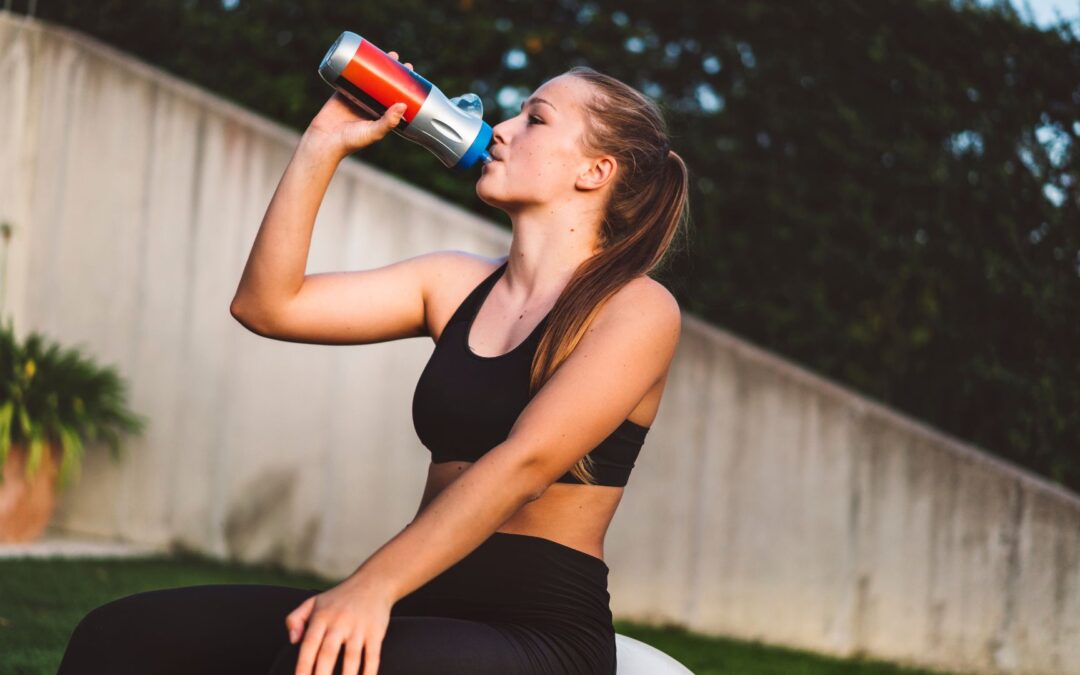
After an intense workout, muscle soreness can be a common hurdle for fitness enthusiasts in Spring Valley. To find quick relief, consider stretching gently and incorporating foam rolling into your routine, which can help ease tightness and improve blood flow. Staying hydrated is crucial, so drink plenty of water before and after your workout. Don’t underestimate the power of a warm bath with Epsom salts to soothe your muscles. Lastly, give your body the rest it deserves to recover and bounce back stronger for your next workout.
The Power of Gentle Stretching
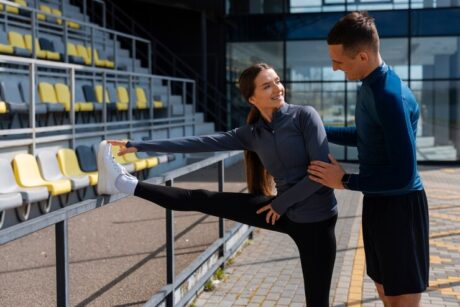
Stretching after a workout can significantly reduce muscle stiffness and soreness. By focusing on key muscle groups that work the hardest, you promote flexibility and enhance recovery. Gentle stretching lengthens your muscles, reducing tension and increasing circulation, which helps deliver nutrients to your muscles faster. When done consistently, it can also prevent injuries.
Incorporating stretching as part of your cooldown not only aids in recovery but also improves your range of motion over time. It’s important to hold each stretch for at least 20-30 seconds and breathe deeply to maximize the benefits.
Foam Rolling for Better Recovery
Foam rolling is a self-myofascial release technique that can ease muscle tightness after an intense workout. Rolling out your muscles increases blood flow, helping to break up any knots or adhesions that may form due to overuse. This process releases tension in specific muscle areas, providing quick relief.
Using a foam roller allows you to target areas that need the most attention, such as the calves, quads, or back. Not only does this aid in recovery, but it also improves flexibility and performance for future workouts by maintaining healthy muscle tissue.
Hydration for Muscle Health
Proper hydration is essential for muscle recovery after a workout. Water helps flush out toxins and lactic acid that accumulate in muscles during exercise, which can lead to soreness. Drinking enough water before, during, and after your workout ensures your muscles stay hydrated and function optimally.
In addition to water, consuming electrolyte-rich drinks can replenish essential minerals lost through sweat. This prevents dehydration, which can exacerbate soreness and slow down recovery. Keeping your body hydrated is a simple but powerful way to reduce muscle pain and improve overall post-workout recovery.
Benefits of an Epsom Salt Bath
Taking a warm bath with Epsom salts can work wonders for soothing sore muscles. Epsom salts contain magnesium sulfate, which is absorbed through the skin and helps relax tense muscles, reduce inflammation, and relieve pain. This can significantly reduce muscle stiffness and soreness after a tough workout. A warm bath also increases circulation, allowing oxygen and nutrients to flow to your muscles more efficiently. Spending 20 minutes soaking in an Epsom salt bath can be a relaxing way to ease muscle discomfort while giving your body the care it needs to recover fully.
Relaxes Tense Muscles
Epsom salts contain magnesium sulfate, which is absorbed through the skin, helping to relax tight and sore muscles. The magnesium works by blocking calcium buildup in the muscles, which can cause stiffness. This relaxation effect makes it easier for the muscles to release tension, promoting faster recovery after an intense workout or long day of physical activity.
Reduces Inflammation
Magnesium sulfate in Epsom salts has anti-inflammatory properties, which can help reduce swelling in sore muscles. After a strenuous workout, inflammation in the muscle fibers contributes to discomfort. Soaking in an Epsom salt bath helps bring down inflammation, easing pain and allowing your muscles to repair themselves more effectively. This reduces the chance of prolonged soreness or injury.
Eases Muscle Pain
One of the main benefits of Epsom salts is their ability to relieve muscle pain. By increasing magnesium levels in your body, the salts help block pain receptors, providing natural relief. This is particularly useful after high-intensity activities that leave muscles feeling overworked. A warm bath with Epsom salts offers a soothing way to unwind and alleviate discomfort, allowing you to feel better faster.
Improves Circulation
A warm Epsom salt bath increases blood circulation, which is vital for muscle recovery. Enhanced circulation means more oxygen and essential nutrients are delivered to your muscles, helping them heal more quickly. This boost in blood flow also helps flush out toxins and lactic acid that build up during exercise, further reducing soreness and speeding up recovery.
Promotes Overall Relaxation
Beyond its physical benefits, an Epsom salt bath promotes mental and emotional relaxation. The combination of warm water and magnesium helps calm the nervous system, reducing stress and promoting a sense of well-being. Taking time for a 20-minute soak not only benefits your muscles but also provides a peaceful break to recharge, helping both body and mind recover from exertion.
Rest: The Key to Muscle Recovery
Rest is an essential component of post-workout recovery. After intense physical activity, your muscles need time to repair and grow stronger. Overworking your muscles without sufficient rest can lead to prolonged soreness and even injury. Incorporating rest days into your fitness routine allows your muscles to heal and rebuild.
Getting adequate sleep is also critical for muscle recovery. During sleep, your body releases growth hormones that aid in tissue repair. Aim for 7-9 hours of quality sleep to ensure your body has enough time to restore itself and reduce muscle pain.
Ice Therapy for Soreness Relief
Applying ice to sore muscles can help reduce inflammation and numb the pain. Ice therapy, also known as cryotherapy, is commonly used by athletes to decrease muscle soreness after intense exercise. Cold compresses constrict blood vessels, reducing swelling and minimizing discomfort.
To use this method, apply an ice pack wrapped in a towel to the sore area for 15-20 minutes. This not only alleviates pain but also speeds up the recovery process by reducing inflammation in the affected muscles. It’s a simple yet effective way to find immediate relief.
Nutrition’s Role in Muscle Recovery
What you eat after a workout plays a crucial role in how quickly your muscles recover. Consuming a combination of protein and carbohydrates within 30 minutes of exercise helps replenish glycogen stores and repair muscle tissue. Protein is especially important as it provides the building blocks your muscles need to heal.
Foods rich in antioxidants, such as berries and leafy greens, can also help reduce inflammation. Incorporating a balanced post-workout meal ensures your muscles get the nutrients they need to recover efficiently and reduce soreness.
Active Recovery Techniques
Active recovery involves engaging in light physical activities, such as walking, yoga, or swimming, to promote blood flow and reduce muscle stiffness. While resting is important, staying slightly active on recovery days can actually speed up the healing process by keeping muscles warm and flexible.
Light movement encourages circulation, helping to flush out lactic acid and other waste products that build up in muscles during strenuous exercise. Active recovery helps you stay in motion without putting too much strain on your muscles, allowing you to recover more quickly and return to your regular workouts.
Conclusion
For quick relief from post-workout muscle soreness, proper care and attention to your body’s needs are essential. Simple steps such as staying hydrated, getting enough sleep, and incorporating gentle stretching can significantly reduce discomfort and speed up recovery. Additionally, practices like Epsom salt baths and replenishing electrolytes can further aid in soothing sore muscles. Taking time to focus on recovery ensures that you can continue your fitness journey with less pain and more progress.
At Chronic Gains Collective in Spring Valley, CA, we understand the importance of maintaining an active lifestyle without the interruption of muscle soreness. By following these recovery tips, you can minimize soreness and keep moving forward toward your fitness goals. Prioritize your body’s needs and enjoy a faster, more comfortable recovery in the heart of Spring Valley.