
Spring Valley is known for its beautiful landscapes and active lifestyle. Whether you’re hitting the gym, hiking trails, or participating in local sports, it’s essential to understand how nutrition plays a crucial role in managing post-workout muscle soreness. Proper nutrition can aid in recovery, reduce discomfort, and enhance overall performance. Here’s how you can use nutrition to combat muscle soreness effectively.
Prioritize Protein for Muscle Repair
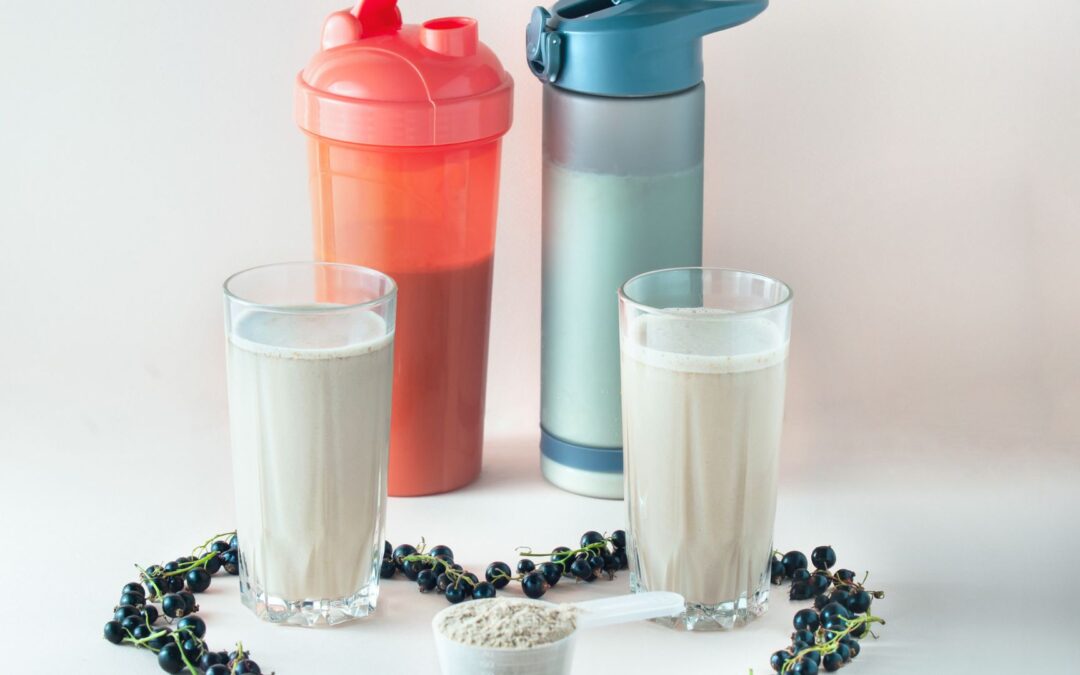
After an intense workout, your muscles need protein to repair and rebuild. Protein provides the necessary amino acids that support muscle recovery. Aim to consume high-quality protein sources like lean meats, fish, eggs, or plant-based options such as tofu and legumes. A protein shake or smoothie with added protein powder can be a convenient post-workout snack.
Prioritizing protein for muscle repair is a key aspect of effective post-workout recovery. By choosing high-quality protein sources, timing your intake appropriately, and incorporating protein into all meals and snacks, you can support muscle repair, reduce soreness, and enhance overall performance. Whether through whole foods or supplements, ensuring adequate protein intake will contribute to better recovery and a more resilient body, ready to tackle your next workout.
Incorporate Anti-Inflammatory Foods
Inflammation can contribute to muscle soreness. Incorporating anti-inflammatory foods into your diet can help reduce this. Foods rich in omega-3 fatty acids, such as salmon, walnuts, and chia seeds, are known for their anti-inflammatory properties. Additionally, fruits and vegetables like berries, oranges, and leafy greens contain antioxidants that can help combat inflammation and support recovery.
By incorporating a variety of anti-inflammatory foods into your diet, you can effectively manage post-workout muscle soreness and promote a quicker recovery. These foods not only help reduce inflammation but also provide essential nutrients that support overall health and well-being. Embrace a diet rich in omega-3s, antioxidants, leafy greens, nuts, and other anti-inflammatory options to enhance your fitness journey in Spring Valley.
Stay Hydrated
 Hydration is key to muscle recovery. Water helps transport nutrients to your muscles and flush out toxins that can contribute to soreness. Ensure you’re drinking enough water throughout the day, and consider adding electrolyte-rich beverages like coconut water or sports drinks to replenish lost electrolytes after intense exercise.
Proper hydration is a cornerstone of effective post-workout recovery. By understanding the importance of fluid balance, nutrient transport, toxin removal, and muscle function, you can better appreciate why staying hydrated is essential. Implement these hydration strategies to ensure optimal recovery and minimize post-workout muscle soreness. Your body will thank you for the effort and care you put into staying hydrated.
Consume Carbohydrates for Energy Replenishment
Carbohydrates are essential for replenishing glycogen stores that get depleted during workouts. Opt for complex carbohydrates like whole grains, sweet potatoes, and quinoa to provide sustained energy and support recovery. Combining carbs with protein in your post-workout meal can further enhance muscle repair.
Carbohydrates are essential for replenishing glycogen stores and supporting muscle recovery after exercise. By choosing the right types of carbs, timing your intake appropriately, and balancing it with protein, you can enhance your recovery, reduce muscle soreness, and prepare effectively for future workouts. Embracing these strategies will help you maintain optimal performance and overall fitness in Spring Valley.
Incorporate Tart Cherry Juice
Tart cherry juice has been shown to reduce muscle soreness and improve recovery. It contains antioxidants and anti-inflammatory compounds that can help alleviate muscle pain. A small glass of tart cherry juice post-workout might provide the relief you need to bounce back faster.
Anti-Inflammatory Benefits
Tart cherry juice is rich in anthocyanins, which are powerful antioxidants that have been shown to reduce inflammation in the body. Inflammation is a key contributor to muscle soreness, and by consuming tart cherry juice, you can help mitigate this inflammatory response. Studies have demonstrated that regular consumption of tart cherry juice can lead to significant reductions in muscle pain and inflammation, making it a great addition to your post-workout routine.
Enhanced Muscle Recovery
The antioxidants in tart cherry juice not only help with inflammation but also play a role in muscle recovery. These compounds work to neutralize free radicals produced during intense exercise, which can damage muscle tissue and delay recovery. By reducing oxidative stress, tart cherry juice supports quicker muscle repair and recovery, helping you get back to your fitness routine with less downtime.
Improved Sleep Quality
Adequate rest is crucial for muscle recovery, and tart cherry juice may help in this area as well. Tart cherries are a natural source of melatonin, a hormone that regulates sleep. Consuming tart cherry juice before bed can improve sleep quality and duration, which in turn supports muscle repair and overall recovery. A good night’s sleep allows your body to repair and rebuild muscle tissues more efficiently.
Optimal Timing and Dosage
To reap the maximum benefits from tart cherry juice, it’s important to consume it at the right time and in the right amount. Drinking a small glass (about 8 ounces) of tart cherry juice twice daily—once in the morning and once before bedtime—has been shown to be effective in reducing muscle soreness and inflammation. For best results, include tart cherry juice as part of your post-workout nutrition plan, ideally within an hour after exercise.
Choosing the Right Product
When selecting tart cherry juice, opt for 100% pure tart cherry juice with no added sugars or artificial ingredients. Some products may also come in the form of concentrated powders or supplements, which can be mixed with water or added to smoothies. These alternatives can be convenient and still offer the beneficial properties of tart cherry juice.
Enjoy a Balanced Post-Workout Meal
A well-balanced post-workout meal should include a mix of protein, carbohydrates, and healthy fats. For example, a meal of grilled chicken, quinoa, and a side of mixed vegetables provides the nutrients needed for optimal recovery. Eating within 30-60 minutes after exercising can help maximize the benefits.
Don’t Forget the Benefits of Magnesium
Magnesium is a mineral that helps relax muscles and reduce soreness. Foods rich in magnesium, such as almonds, spinach, and bananas, can be beneficial. Consider incorporating these into your diet, especially if you experience frequent muscle cramps or soreness.
Conclusion
Incorporating proper nutrition into your post-workout routine can significantly ease muscle soreness and enhance recovery. Prioritizing protein-rich foods, staying hydrated, and consuming anti-inflammatory nutrients are key strategies. By following these nutrition tips, you can reduce discomfort, support muscle repair, and optimize your fitness progress. Remember, what you eat after your workout is just as crucial as the exercise itself.