
Effective strategies to alleviate and prevent muscle soreness after exercise
Exercise is a cornerstone of a healthy lifestyle, but for many, the aftermath can be daunting: post workout muscle soreness. Whether you’re new to fitness or a seasoned athlete, experiencing muscle soreness after a workout is common and often unavoidable. Understanding why it happens and how to manage it effectively can make a significant difference in your overall fitness journey.
What Causes Post Workout Muscle Soreness?
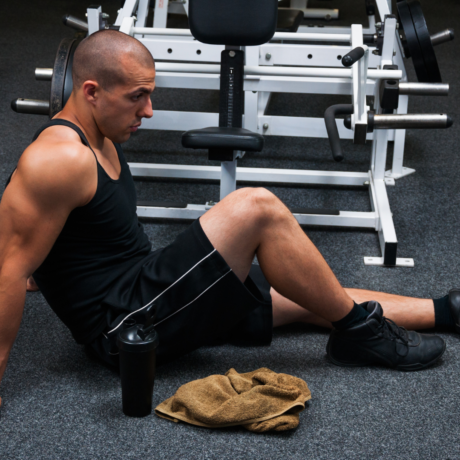
Post workout muscle soreness, scientifically known as delayed onset muscle soreness (DOMS), is a common occurrence among athletes and fitness enthusiasts alike. It usually sets in within 24 to 48 hours after engaging in intense or new physical activities. Despite the misconception, DOMS isn’t primarily caused by lactic acid buildup, which dissipates shortly after exercise. Instead, it stems from microscopic tears in muscle fibers and the surrounding connective tissue incurred during exercise. These tears stimulate an inflammatory response as the body initiates repairs to strengthen the affected muscles. This process typically leads to sensations of soreness, stiffness, and sometimes mild swelling in the affected areas.
Understanding the physiological mechanisms behind DOMS underscores the importance of proper warm-up, gradual progression in exercise intensity, and effective post-exercise recovery strategies. By allowing muscles time to adapt and employing techniques like stretching, hydration, and adequate nutrition, individuals can mitigate the discomfort associated with DOMS and optimize their overall fitness experience.
Strategies to Manage Post Workout Muscle Soreness
Warm-Up and Cool Down
Starting your workout with a proper warm-up and ending with a cool-down session can help prepare your muscles for activity and facilitate recovery. A dynamic warm-up increases blood flow to the muscles, while a cool-down allows for gradual relaxation and stretching.
Hydration and Nutrition
Proper hydration and nutrition play crucial roles in muscle recovery. Drink plenty of water before, during, and after your workout to maintain hydration levels. Incorporate a balanced diet rich in lean proteins, complex carbohydrates, and antioxidants to support muscle repair and reduce inflammation.
Gradual Progression
Avoid sudden increases in workout intensity or duration, as this can exacerbate muscle soreness. Gradually progress your workouts over time to allow your muscles to adapt and strengthen without excessive strain.
Foam Rolling and Stretching
Foam rolling and stretching exercises can help alleviate muscle tightness and improve flexibility. Focus on target areas that feel particularly sore or tight, using gentle pressure to release tension in the muscles and fascia.
Massage Therapy
Professional massage therapy or self-massage techniques can aid in reducing muscle soreness and promoting relaxation. Massage helps increase blood circulation to the muscles, facilitating the removal of metabolic waste products and reducing inflammation.
Active Recovery
Incorporate active recovery days into your workout routine, where you engage in low-intensity activities such as walking, swimming, or yoga. Active recovery promotes blood flow to the muscles without causing additional stress, aiding in the recovery process.
Use of Cold and Heat Therapy
Applying ice packs (cold therapy) to sore muscles immediately after exercise can help reduce inflammation and numb pain. Alternatively, heat therapy, such as warm baths or heating pads, can promote blood flow and muscle relaxation, aiding in recovery.
Quality Sleep
Adequate sleep is essential for muscle recovery and overall health. Aim for 7-9 hours of quality sleep each night to allow your body time to repair and regenerate damaged muscle tissues.
Over-the-Counter Pain Relief
If soreness persists, over-the-counter pain relievers such as ibuprofen or acetaminophen can provide temporary relief from muscle discomfort. However, use these medications sparingly and consult with a healthcare professional if you have any concerns.
Listen to Your Body
Pay attention to your body’s signals and adjust your workout intensity or activities accordingly. Pushing through severe muscle soreness can lead to further injury and prolonged recovery time.
The Role of Nutrition in Muscle Recovery
Nutrition plays a pivotal role in muscle recovery after workouts. Consuming the right balance of nutrients ensures that your muscles have the raw materials they need to repair and rebuild. Proteins are particularly important as they provide amino acids, the building blocks of muscle tissue. Aim to include lean proteins such as chicken, fish, tofu, or legumes in your post-workout meals to support muscle repair and growth. Carbohydrates are also crucial as they replenish glycogen stores, which serve as the primary energy source during exercise. Opt for complex carbohydrates like whole grains, fruits, and vegetables to sustain energy levels and aid in recovery.
Additionally, don’t overlook the importance of hydration. Water plays a critical role in nutrient transport and muscle function. Drink plenty of water throughout the day, especially before and after exercise, to maintain optimal hydration levels. Lastly, include foods rich in antioxidants, such as berries, nuts, and leafy greens, to combat exercise-induced oxidative stress and reduce inflammation. By prioritizing nutrient-dense foods and staying hydrated, you can support faster muscle recovery and minimize post workout muscle soreness.
Effective Stretching Exercises for Sore Muscles
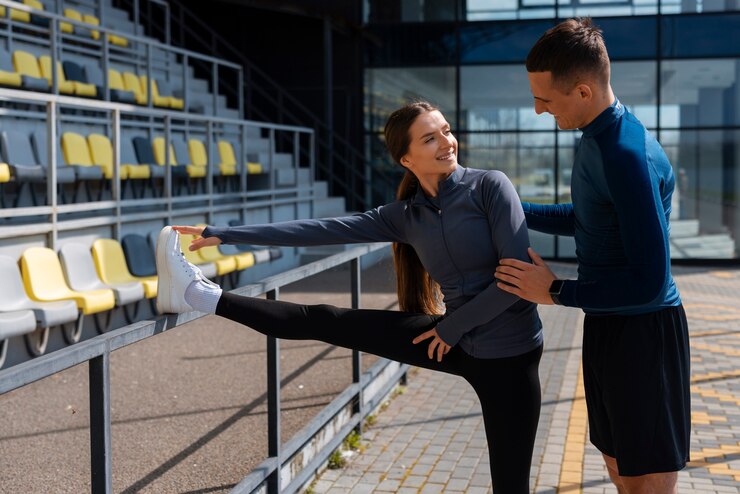
Stretching is an effective way to alleviate muscle soreness and improve flexibility post-workout. Focus on gentle, controlled stretches that target the muscles you worked during your exercise session. Dynamic stretching before exercise helps warm up muscles and prepare them for activity, while static stretching afterward can help relax and lengthen tight muscles. Incorporate stretches for major muscle groups such as quadriceps, hamstrings, calves, and shoulders, holding each stretch for 15-30 seconds without bouncing.
Additionally, consider incorporating foam rolling into your stretching routine. Foam rolling uses gentle pressure to release muscle knots and tight spots, promoting blood flow and reducing muscle tension. Target areas that feel particularly sore or tight, gradually applying more pressure as your muscles relax. Remember to breathe deeply and avoid overstretching, which can lead to injury. Consistent stretching and foam rolling can improve muscle flexibility, range of motion, and overall recovery, making them valuable additions to your post workout routine.
How Massage Therapy Can Aid Recovery
Massage therapy offers significant benefits for muscle recovery and reducing post workout muscle soreness. Massage helps increase blood circulation to the muscles, facilitating the delivery of oxygen and nutrients essential for repair. It also promotes the removal of metabolic waste products, such as lactic acid, which can accumulate during exercise and contribute to muscle soreness. Different massage techniques, such as Swedish massage, deep tissue massage, and sports massage, offer varying levels of pressure and focus areas, catering to individual needs and preferences.
Beyond physical benefits, massage therapy promotes relaxation and reduces stress levels, which can further enhance recovery. It stimulates the release of endorphins, neurotransmitters that act as natural painkillers and mood elevators, promoting a sense of well-being. Regular massage sessions can help athletes and fitness enthusiasts recover faster between workouts, improve muscle recovery outcomes, and prevent injuries related to overuse or strain. Whether performed by a professional massage therapist or using self-massage techniques, incorporating massage therapy into your recovery routine can support overall muscle health and performance.
Using Heat and Cold Therapy Safely and Effectively
Heat and cold therapy are valuable tools for managing post workout muscle soreness and promoting recovery. Cold therapy, such as ice packs or cold baths, constricts blood vessels and reduces inflammation in sore muscles. Applying ice to affected areas immediately after exercise can help numb pain and reduce swelling, particularly effective for acute injuries or intense workouts. Use cold therapy for 15-20 minutes at a time, allowing the skin to return to normal temperature between applications.
In contrast, heat therapy enhances blood flow to the muscles, promoting relaxation and reducing stiffness. Warm baths, heating pads, or warm compresses can increase tissue elasticity and facilitate muscle recovery. Heat therapy is beneficial for chronic muscle soreness or stiffness and can be applied for 20-30 minutes at a comfortable temperature. Always use heat and cold therapy safely, following guidelines and listening to your body’s response. Alternating between heat and cold therapy, known as contrast therapy, can further enhance circulation and recovery. Experiment with these techniques to discover what works best for relieving your post workout muscle soreness and supporting overall muscle health
Conclusion
Effectively managing post workout muscle soreness is crucial for maintaining a consistent and enjoyable fitness routine. By incorporating strategies such as proper nutrition to support muscle repair, targeted stretching exercises to improve flexibility, massage therapy to enhance circulation and relaxation, and safe use of heat and cold therapy for inflammation relief, individuals can optimize their recovery process. At Chronic Gains Collective, holistic approaches to fitness and recovery are emphasized, ensuring clients receive personalized guidance and support. With dedication to these practices, individuals can minimize muscle soreness, enhance overall performance, and achieve long-term fitness goals.