
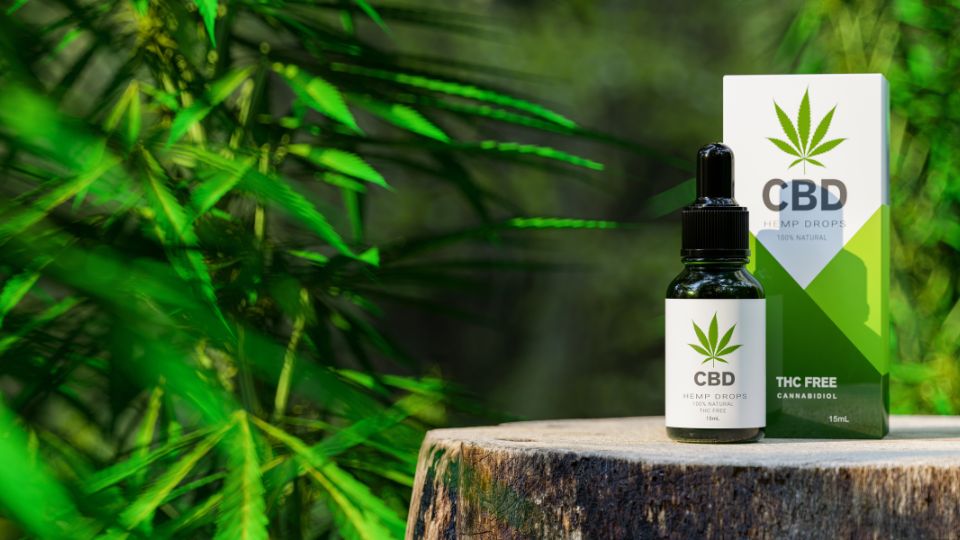
Spring Valley, known for its unique climate, presents a fascinating case study in the realm of CBD (cannabidiol) pain treatment. The area’s distinct weather patterns can influence both the effectiveness and stability of CBD products. Understanding these climatic impacts is essential for optimizing CBD use for pain management in this region.
Understanding Spring Valley’s Climate
Spring Valley experiences a temperate climate with mild winters and warm summers. This variation in temperature and humidity plays a critical role in how CBD products are stored and utilized. CBD, being a sensitive compound, can react differently under these environmental conditions, affecting its potency and efficacy.
Spring Valley’s climate presents a range of conditions that can influence the effectiveness of CBD pain treatments. By recognizing the impacts of temperature and humidity and adjusting storage practices accordingly, residents can better manage their CBD products and optimize their therapeutic benefits. Staying informed about local climatic effects and taking proactive measures will help ensure that CBD continues to provide effective relief for pain management.
Temperature and CBD Stability
Temperature fluctuations in Spring Valley can impact the chemical stability of CBD. The compound is known to degrade when exposed to extreme heat or cold. During the warmer months, the risk of degradation increases if CBD products are not stored properly. It’s crucial to keep CBD oil and other forms of CBD in a cool, dark place to maintain their effectiveness. Conversely, cold temperatures can also affect the consistency and solubility of CBD products, potentially impacting their absorption and efficacy.
Temperature plays a critical role in the stability and effectiveness of CBD products. In Spring Valley, where temperature variations are a part of the local climate, proper storage and handling are essential to maintaining the therapeutic benefits of CBD. By understanding these effects and implementing appropriate measures, users can ensure that their CBD products remain effective for pain management.
Humidity and CBD Quality
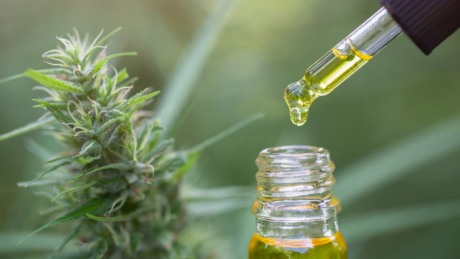 Spring Valley’s humidity levels also play a role in the quality of CBD products. High humidity can lead to the growth of mold and mildew on CBD products, particularly those in edible or topical forms. This not only affects the product’s safety but can also alter its intended effects. Proper packaging and storage solutions are vital to mitigate these risks. Using moisture-proof containers and ensuring airtight seals can help preserve the quality of CBD products.
Humidity plays a crucial role in determining the quality and effectiveness of CBD products. By understanding and managing the effects of humidity on CBD, users in Spring Valley can better preserve their products and ensure they receive the full benefits for pain management. Proper storage and regular checks are key practices for maintaining the integrity of CBD products in varying humidity conditions.
Impact on Pain Management
The effectiveness of CBD in managing pain can be influenced by the climate as well. For individuals in Spring Valley, it’s important to consider how the local climate may affect the onset and duration of pain relief. If CBD products are compromised due to temperature or humidity, their ability to alleviate pain may be diminished. Users should monitor their products and consult with healthcare professionals to adjust dosages or product types as needed.
In Spring Valley, the climate’s influence on CBD products underscores the importance of proper storage, regular monitoring, and potential adjustments in dosage or product type. By understanding and addressing these climatic impacts, residents can better manage their pain with CBD, ensuring that they receive the full benefits of this therapeutic compound.
Local Adaptations and Recommendations
For residents of Spring Valley, adapting to the climate’s impact on CBD involves several strategies:
Proper Storage: Store CBD products in a controlled environment, away from direct sunlight and moisture.
Monitoring Product Freshness: Regularly check for any changes in color, texture, or smell that may indicate product degradation.
Consulting Experts: Work with healthcare professionals to understand how local climate conditions might affect pain management and to receive personalized recommendations.
Conclusion
Understanding how climate impacts CBD pain treatment is crucial for optimizing its effectiveness. Different weather conditions can influence how the body absorbs and reacts to CBD, making it important to tailor your approach based on local climate factors. Whether you’re experiencing cold, dry winters or hot, humid summers, being aware of these environmental influences can help you adjust your CBD usage for better results.