
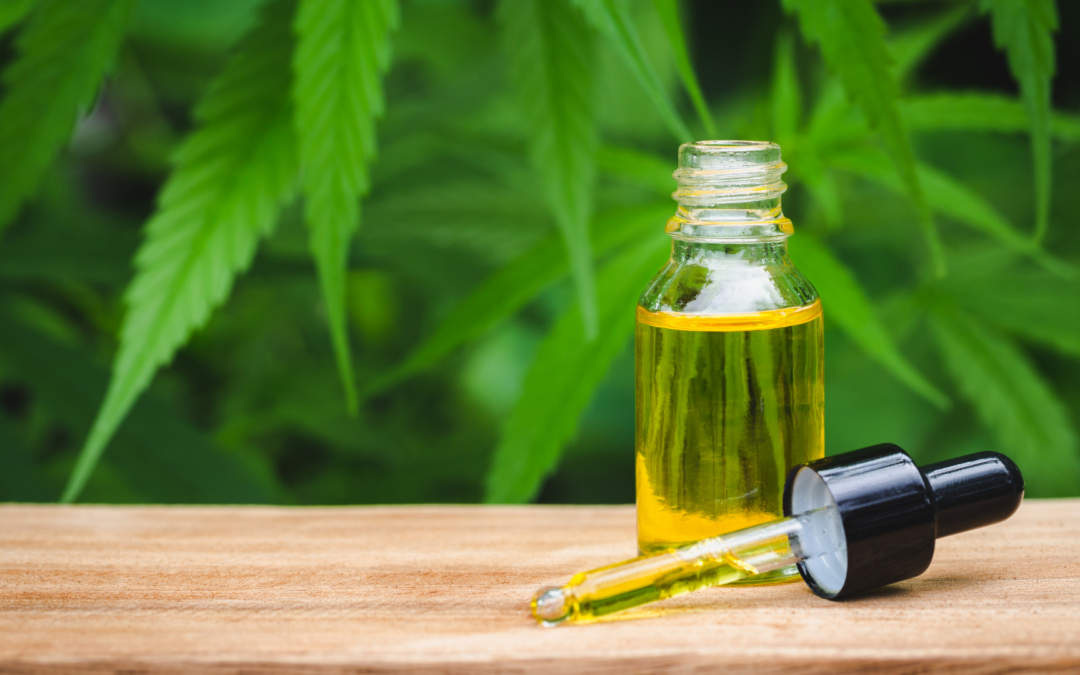
Finding the right dosage of cannabinoid oil for pain relief can be a bit of a journey. Start low and go slow—begin with a small dose and gradually increase until you find what works best for you. Everyone’s body reacts differently, so personal experimentation is key. Pay attention to how your body responds and adjust accordingly. It’s also a good idea to consult with a healthcare professional to tailor the dosage to your specific needs and ensure it’s safe and effective for your situation.
Understanding Cannabinoid Oil
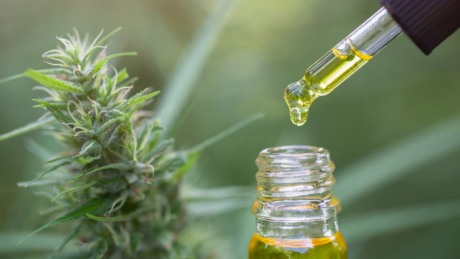 Cannabinoid oil, derived from cannabis plants, is gaining recognition for its potential in managing pain. Unlike THC, which is psychoactive, cannabinoid oil often contains CBD, a compound believed to have therapeutic properties without the high. This oil interacts with the body’s endocannabinoid system, which plays a role in regulating pain, mood, and other functions. By affecting this system, cannabinoid oil may help modulate pain and provide relief. It’s important to choose high-quality, full-spectrum oil for the best potential benefits.
Cannabinoid oil, often referred to as CBD oil, is extracted from the cannabis plant, which includes both marijuana and hemp varieties. Unlike THC, the psychoactive compound in cannabis that causes a “high,” cannabinoid oil primarily contains cannabidiol (CBD), a non-psychoactive compound with potential therapeutic benefits. CBD interacts with the body’s endocannabinoid system, a complex network of receptors and neurotransmitters involved in regulating pain, mood, appetite, and more. By binding to these receptors, CBD may influence how the body processes pain and inflammation, potentially offering relief without the euphoric effects associated with THC. The oil is available in various forms, including tinctures, capsules, and topical applications, each with different absorption rates and effectiveness.
Determining the Right Starting Dose
When starting with cannabinoid oil, begin with a low dose to assess your body’s response. A common starting point is 5-10 milligrams of CBD per day. Gradually increase the dosage by 5-10 milligrams every few days until you find the level that provides relief without unwanted side effects. This incremental approach helps minimize risks and ensures you can find the optimal dosage for your specific needs. Monitoring your response carefully during this process is crucial.
Finding the correct starting dose of cannabinoid oil for pain relief is crucial for optimizing effectiveness and minimizing potential side effects. Generally, it’s advisable to begin with a low dose to gauge how your body reacts. A typical starting point is around 5-10 milligrams of CBD per day. This conservative approach allows you to monitor your response without overwhelming your system. From this baseline, you can gradually increase the dose, typically by 5-10 milligrams every few days, until you find the level that provides relief. This incremental adjustment helps in pinpointing the dosage that works best for your individual needs and reduces the risk of adverse effects, such as drowsiness or digestive issues.
Factors Affecting Dosage
Several factors influence the effective dosage of cannabinoid oil for pain relief, including your body weight, metabolism, and the severity of your pain. Individual differences, such as how your body processes cannabinoids, play a significant role in determining the right amount. Additionally, the concentration of CBD in the oil and how it’s consumed—whether in tinctures, capsules, or topical applications—can affect dosage. Tailoring the dosage to these variables ensures a more personalized and effective approach.
Body Weight and Dosage
 Your body weight influences how cannabinoid oil is metabolized. Generally, individuals with higher body weights may require larger doses to achieve the same effects as those with lower body weights. Adjusting the dosage based on weight ensures that the cannabinoid oil provides effective pain relief tailored to your body’s specific needs.
Metabolism and Absorption
Metabolism affects how quickly cannabinoid oil is processed in your system. Faster metabolisms may require more frequent doses or higher concentrations to maintain effective pain relief. Understanding your metabolism can help in adjusting the dosage for optimal results.
Pain Severity
The intensity of your pain plays a significant role in determining the right dosage. Severe pain may require higher doses of cannabinoid oil compared to mild discomfort. Monitoring your pain levels and adjusting the dosage accordingly ensures that you achieve the desired level of relief.
CBD Concentration
Different cannabinoid oils contain varying concentrations of CBD. Higher concentrations might provide more potent effects, allowing for smaller doses. Choosing the right concentration based on your pain relief needs can enhance the effectiveness of the oil and avoid excessive dosing.
Method of Consumption
The method of consuming cannabinoid oil impacts how it affects your body. Tinctures are absorbed quickly, while capsules and topicals have different absorption rates. Adjusting the dosage based on the consumption method helps in achieving consistent pain relief and maximizing the oil’s benefits.
Balancing Dosage with Pain Relief
Finding the balance between pain relief and dosage is key. Too little may not provide significant relief, while too much could lead to unwanted side effects. The goal is to achieve effective pain management while maintaining comfort. Regularly evaluate your pain levels and overall well-being to adjust the dosage as needed. It’s a trial-and-error process, but with patience, you can find the sweet spot where the benefits outweigh any potential drawbacks.
Consulting Healthcare Professionals
Before starting cannabinoid oil, it’s wise to consult with a healthcare professional, especially if you have pre-existing conditions or are taking other medications. A doctor can provide personalized advice, help determine an appropriate dosage, and monitor your progress. They can also ensure that cannabinoid oil is a safe option for you and assist in managing any potential interactions with other treatments. Professional guidance adds an extra layer of safety and effectiveness to your pain management plan.
Monitoring and Adjusting Dosage
Consistent monitoring of your dosage and its effects is essential for optimizing pain relief with cannabinoid oil. Keep a journal to track your daily dosage, pain levels, and any side effects you experience. This record can help you and your healthcare provider make informed decisions about adjustments. As your pain or tolerance changes, you might need to adjust the dosage accordingly. Regular reviews of your progress will help ensure that you maintain the best possible balance for your needs.
Conclusion
Finding the effective dosage of cannabinoid oil for pain relief involves a personalized approach. Start with a low dose and gradually increase until the desired relief is achieved. Remember to consider factors such as body weight, severity of pain, and individual response to cannabinoids. Consulting with a healthcare professional is essential to tailor the dosage to your specific needs and ensure safe and effective use.
For more guidance and support, visit Chronic Gains Collective in Spring Valley, CA. Our team is dedicated to helping you find the right solution for your pain relief journey.