
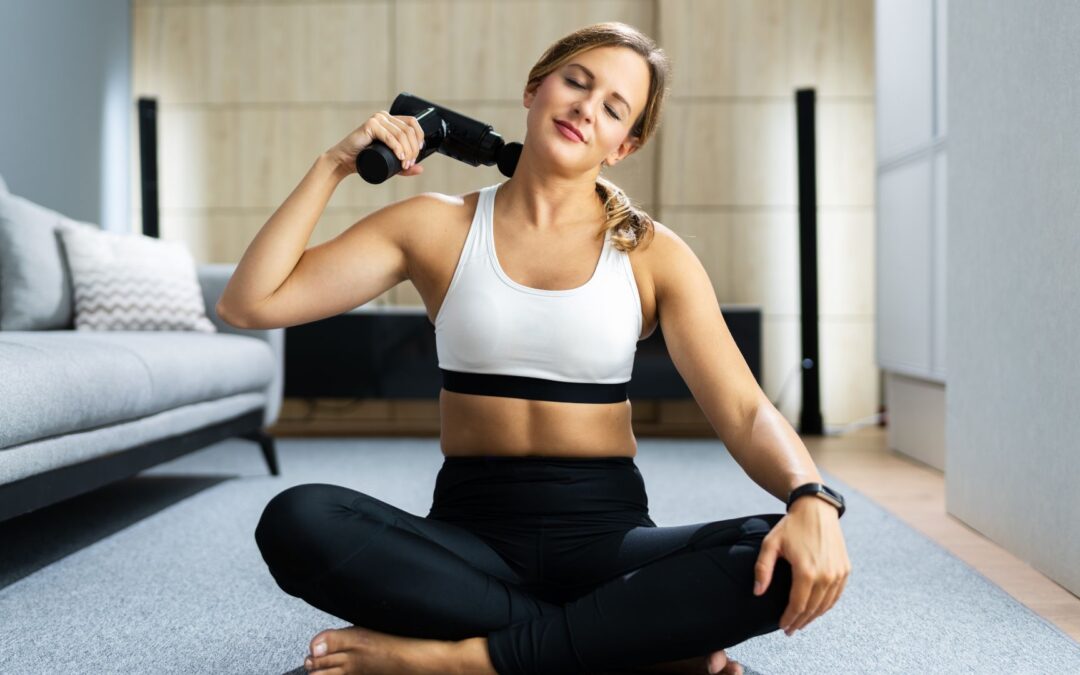
Post-workout muscle soreness, commonly known as delayed onset muscle soreness (DOMS), can be a frustrating part of any fitness routine. It often peaks 24 to 48 hours after exercise and can make even simple tasks feel challenging. Fortunately, there are several effective strategies to ease this discomfort and help your muscles recover faster. Here are the top 10 ways to alleviate post-workout muscle soreness:
Stay Hydrated
Proper hydration is crucial for muscle recovery. Water helps to flush out toxins that build up during exercise and supports overall bodily functions that aid in muscle repair. Aim to drink plenty of water before, during, and after your workout. Incorporating electrolyte-rich drinks can also be beneficial, especially after intense exercise sessions.
Effective hydration is a simple yet powerful way to support muscle recovery and reduce post-workout soreness. By drinking water consistently throughout the day, paying attention to your hydration before, during, and after exercise, and incorporating hydrating foods and electrolyte supplements as needed, you can enhance your recovery process and overall fitness experience. Remember, staying hydrated is not just about quenching thirst; it’s about supporting your body’s ability to perform and recover at its best.
Get Plenty of Rest
Rest is a fundamental component of muscle recovery. Allowing your muscles time to repair and rebuild is essential for reducing soreness. Ensure you get adequate sleep and consider incorporating rest days into your fitness routine to prevent overtraining and reduce muscle fatigue.
In summary, getting plenty of rest is not just about pausing your workouts; it’s about providing your body with the necessary conditions to repair, strengthen, and rejuvenate. By prioritizing quality sleep, incorporating rest days, engaging in active rest, and paying attention to your body’s signals, you can enhance muscle recovery, reduce soreness, and support long-term fitness success.
Apply Heat or Cold Therapy
Both heat and cold therapy can be effective in managing muscle soreness. Cold packs can help reduce inflammation and numb the sore areas, while heat packs can increase blood flow and relax tight muscles. Try using an ice pack immediately after your workout and switching to a heating pad 24 hours later.
Both heat and cold therapy can be powerful tools in alleviating post-workout muscle soreness, each serving a specific purpose in the recovery process. Cold therapy is best used immediately after exercise to tackle inflammation and pain, while heat therapy is effective for relaxing tight muscles and improving flexibility once the initial inflammation has decreased. By understanding how and when to use these therapies, you can tailor your recovery strategy to meet your individual needs and enhance your overall fitness experience.
Perform Gentle Stretching
Engaging in gentle stretching exercises can help alleviate muscle tightness and improve flexibility. Focus on static stretches that target the muscles you worked during your exercise session. Be sure to stretch slowly and avoid bouncing to prevent additional strain.
By incorporating gentle stretching into your post-workout routine, you can help alleviate muscle soreness, improve flexibility, and enhance your overall recovery process. Remember to stretch gently and consistently to enjoy the full benefits of this essential recovery practice.
Engage in Active Recovery

Active recovery involves low-intensity exercises that promote blood flow to the muscles without putting additional strain on them. Activities like walking, light jogging, or gentle cycling can help to reduce soreness and speed up recovery by increasing circulation and delivering nutrients to sore muscles.
Active recovery is a valuable component of any fitness regimen, offering a gentle yet effective way to support muscle healing and maintain overall well-being. By integrating activities like walking, light jogging, cycling, swimming, yoga, and stretching into your routine, you can enhance your recovery process, reduce muscle soreness, and prepare your body for future workouts. Listen to your body’s needs, stay consistent with your active recovery practices, and enjoy the benefits of a more balanced and resilient fitness journey.
Use Foam Rollers
Foam rolling, or self-myofascial release, is a popular technique to release muscle knots and increase blood flow to the affected areas. By rolling a foam roller over sore muscles, you can help alleviate tension, reduce soreness, and improve muscle elasticity. Spend a few minutes rolling out each muscle group, applying gentle pressure.
Consume a Balanced Post-Workout Meal
Nutrition plays a significant role in muscle recovery. After a workout, focus on consuming a balanced meal that includes protein, healthy fats, and carbohydrates. Protein helps repair and build muscle tissue, while carbohydrates replenish glycogen stores depleted during exercise. Foods rich in antioxidants, such as fruits and vegetables, can also help reduce inflammation.
Consider Massage Therapy
Professional massage therapy can be a highly effective method for alleviating muscle soreness. A massage can help to increase blood flow, reduce muscle tension, and promote relaxation. If professional massage is not an option, self-massage techniques using your hands or a massage tool can also be beneficial.
Take a Warm Epsom Salt Bath
Epsom salts contain magnesium, which is known to help relax muscles and reduce inflammation. Adding Epsom salts to a warm bath can provide soothing relief for sore muscles. Soak in the bath for about 15-20 minutes to allow the magnesium to be absorbed through your skin.
Incorporating a warm Epsom salt bath into your recovery routine can be a simple yet powerful way to alleviate post-workout muscle soreness. By following these guidelines, you can enjoy the full benefits of this relaxing and therapeutic practice, helping to ease muscle discomfort and support overall well-being.
Stay Consistent with Your Workouts
Ironically, consistent exercise can help reduce the severity of DOMS over time. As your muscles adapt to regular physical activity, they become more resilient to soreness. Gradually increase the intensity and duration of your workouts to allow your body to adjust and minimize soreness in the future.
Muscle Adaptation
When you exercise regularly, your muscles gradually adapt to the physical demands placed on them. This adaptation process leads to increased muscle strength, endurance, and flexibility. As your muscles become more accustomed to the stress of exercise, they are less likely to experience severe soreness. Over time, consistent training helps your muscles recover more efficiently and become better prepared for future workouts.
Improved Recovery Mechanisms
Regular exercise helps optimize the body’s natural recovery processes. Consistent training stimulates the production of various growth factors and hormones, such as human growth hormone (HGH) and testosterone, which aid in muscle repair and growth. Additionally, regular exercise improves circulation, enhancing nutrient and oxygen delivery to muscle tissues and removing metabolic waste products more effectively. This improved recovery process can lead to reduced muscle soreness and faster recovery times.
Enhanced Muscular Endurance
By regularly engaging in physical activity, you build muscular endurance, which helps your muscles handle longer and more intense workouts with less fatigue. Improved endurance means that your muscles are less likely to become overwhelmed by the demands of exercise, reducing the likelihood of severe soreness. Gradually increasing the intensity and duration of your workouts also allows your muscles to adapt incrementally, minimizing the risk of excessive soreness.
Prevention of Overtraining
Consistent exercise, when balanced with proper rest and recovery, helps prevent overtraining syndrome—a condition characterized by prolonged fatigue, decreased performance, and increased susceptibility to injury. Overtraining can exacerbate muscle soreness and hinder recovery. By maintaining a regular workout schedule and incorporating rest days, you help ensure that your body can recover adequately and avoid the pitfalls of overtraining.
Progressive Overload
A well-structured fitness routine involves the principle of progressive overload, which means gradually increasing the intensity, volume, or complexity of your workouts. This approach helps your muscles grow stronger and more resilient over time. By progressively challenging your muscles, you not only promote continuous improvement but also reduce the likelihood of excessive soreness. It’s important to balance the progression of your workouts with appropriate recovery strategies to avoid overuse injuries.
Conclusion
Managing post-workout muscle soreness effectively is key to maintaining an active and healthy lifestyle. By integrating techniques such as proper hydration, stretching, and using recovery tools, you can significantly reduce discomfort and accelerate the healing process. Remember, consistency in these practices will not only help alleviate soreness but also enhance your overall performance and enjoyment of physical activities.
At Chronic Gains Collective, we are dedicated to supporting your fitness journey with expert advice and personalized strategies. If you have any questions or need further guidance, feel free to reach out to our team in Spring Valley, CA. We’re here to help you maximize your recovery and achieve your fitness goals.