
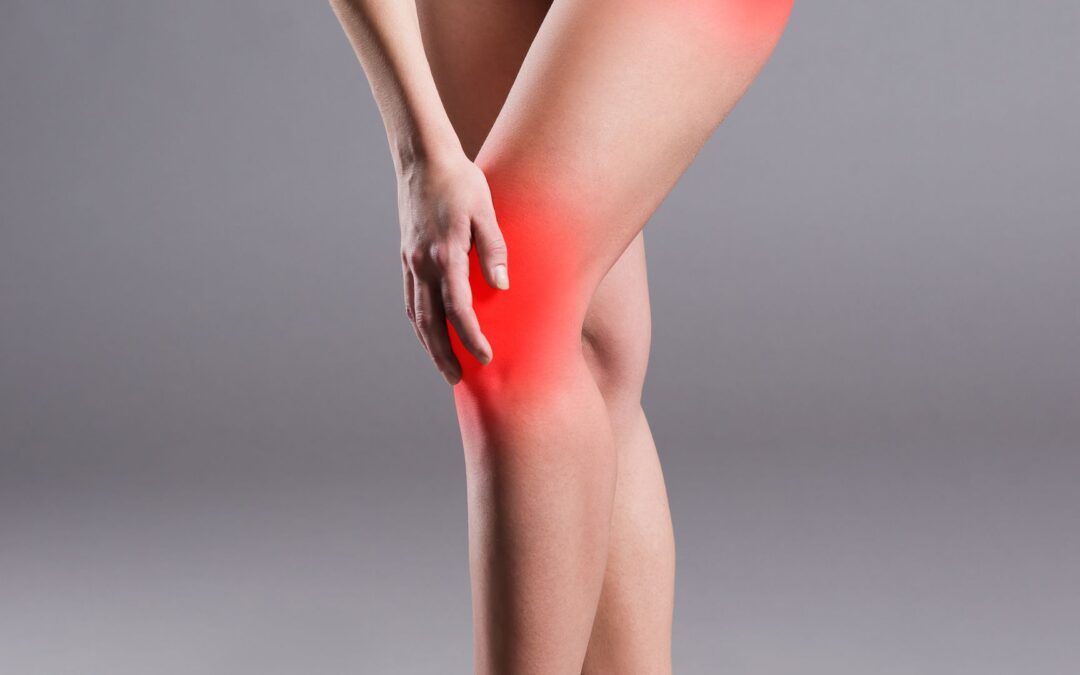
Experiencing muscle soreness after a workout is a common, if somewhat uncomfortable, part of getting fit. Known as delayed onset muscle soreness (DOMS), this phenomenon typically sets in 24 to 48 hours after exercise, particularly when you’re trying new routines or pushing yourself harder than usual. Fortunately, there are several effective strategies to alleviate this discomfort and get back to your fitness routine faster.
Active Recovery
One of the most effective ways to reduce muscle soreness is through active recovery. This involves engaging in low-intensity exercises that promote blood circulation without putting additional strain on sore muscles. Activities like light jogging, swimming, or even a leisurely walk can help flush out metabolic waste products from your muscles and aid in the recovery process.
Incorporating active recovery into your fitness routine can significantly enhance your recovery process, reduce muscle soreness, and improve your overall performance. By understanding and utilizing this approach, you can keep your body in optimal condition, stay motivated, and continue progressing toward your fitness goals.
Stretching and Foam Rolling
Stretching and foam rolling are valuable tools for alleviating muscle tightness and soreness. Stretching helps improve flexibility and circulation, which can reduce muscle tension. Foam rolling, or self-myofascial release, targets tight spots and helps release muscle knots by applying pressure to specific areas. Incorporate these practices into your post-workout routine for best results.
By incorporating both stretching and foam rolling into your fitness regimen, you can effectively reduce muscle soreness, enhance recovery, and improve overall performance. Regular practice of these techniques will help you stay limber, prevent injuries, and maintain a consistent and enjoyable workout routine.
Hydration
Keeping well-hydrated is crucial for muscle recovery. Water helps transport nutrients to your muscles and aids in the removal of metabolic waste products. Dehydration can exacerbate muscle soreness and hinder recovery, so be sure to drink plenty of water before, during, and after your workouts.
Proper hydration is a cornerstone of effective post-workout recovery. By ensuring that you stay well-hydrated, you support your body’s ability to repair muscles, flush out waste products, and maintain electrolyte balance. Incorporating these hydration strategies into your routine will help reduce muscle soreness and enhance your overall recovery, allowing you to perform at your best in every workout.
Proper Nutrition

Your diet plays a significant role in muscle recovery. Consuming a balanced meal with a mix of protein, carbohydrates, and healthy fats can help repair and rebuild muscle tissue. Foods rich in antioxidants, like berries and leafy greens, can also help reduce inflammation and soreness.
Proper nutrition after a workout is fundamental to reducing muscle soreness and ensuring effective recovery. By focusing on a balanced intake of proteins, carbohydrates, healthy fats, and hydration, you can enhance your body’s repair processes and get back to your fitness routine faster. Remember, a well-rounded diet not only supports muscle recovery but also contributes to overall health and performance.
Rest and Sleep
Adequate rest is essential for muscle recovery. Your muscles repair and grow stronger while you sleep, so aim for 7-9 hours of quality sleep each night. Additionally, incorporate rest days into your workout schedule to give your muscles time to recover and prevent overtraining.
Cold and Warm Therapy
Alternating between cold and warm therapy can help manage muscle soreness. Cold therapy, such as ice packs or cold baths, can reduce inflammation and numb the soreness. Warm therapy, including hot baths or heating pads, helps relax and loosen tight muscles. A combination of both methods can be particularly effective.
Over-the-Counter Pain Relievers
For more severe muscle soreness, over-the-counter pain relievers like ibuprofen or acetaminophen can provide temporary relief. These medications work by reducing inflammation and alleviating pain. However, they should be used sparingly and not relied upon as a primary method of recovery.
Massage Therapy
Massage therapy can be highly beneficial for reducing muscle soreness. A professional massage helps increase blood flow, reduce muscle tightness, and promote relaxation. Even a self-massage using your hands or a massage tool can be effective in alleviating soreness.
Epsom Salt Baths
Soaking in an Epsom salt bath is another time-tested remedy for muscle soreness. Epsom salts contain magnesium, which can be absorbed through the skin and help reduce muscle inflammation and pain. Adding a cup or two of Epsom salts to your bath can provide soothing relief.
Listen to Your Body
Finally, it’s important to listen to your body and adjust your workouts accordingly. Gradually increasing the intensity of your exercises and allowing time for your body to adapt can help minimize the risk of excessive soreness. If you’re new to exercising or trying a new routine, start slowly and progressively build up.
Recognize Early Signs of Discomfort
Being in tune with your body means recognizing early signs of discomfort or strain. This includes understanding the difference between general muscle fatigue and pain that could indicate an injury. Mild soreness and fatigue are normal after a workout, but sharp or persistent pain could be a sign of overexertion or an injury. Pay attention to how your body feels both during and after exercise, and adjust your intensity or type of workout if you notice unusual discomfort.
Adopt a Gradual Approach
When starting a new exercise program or increasing the intensity of your workouts, it’s essential to adopt a gradual approach. Sudden increases in exercise intensity, volume, or duration can lead to excessive muscle soreness and increase the risk of injury. Gradually increase the intensity and duration of your workouts to allow your body to adapt and build strength progressively. This incremental approach helps reduce the risk of overtraining and allows for better recovery.
Implement Proper Warm-Up and Cool-Down
Incorporating a proper warm-up and cool-down into your exercise routine is crucial for preparing your body for physical activity and aiding recovery. A good warm-up increases blood flow to your muscles, improves flexibility, and reduces the risk of injury. Similarly, cooling down helps your heart rate gradually return to its resting state and aids in muscle relaxation. These practices help mitigate soreness and prepare your body for the next workout.
Monitor Your Fatigue Levels
Fatigue can be a significant indicator of how well your body is coping with exercise. If you notice that you’re constantly feeling excessively tired or run-down, it may be a sign that you’re overtraining or not allowing enough recovery time. Track your fatigue levels and adjust your workout intensity or schedule if you consistently feel overly fatigued.
Assess Recovery Time
Everyone’s body has a different recovery time. Pay attention to how long it takes for your muscles to recover after a workout. If you’re still experiencing significant soreness or fatigue after the usual recovery period, it may be a sign that you need more time to recuperate or that your workout intensity needs to be adjusted. Listen to these signals and be willing to modify your routine based on your individual recovery needs.
Conclusion
Managing post-workout muscle soreness effectively is crucial for maintaining your fitness routine and overall well-being. By incorporating strategies such as proper hydration, targeted stretching, and recovery tools like foam rollers, you can significantly reduce muscle discomfort and enhance your recovery process. It’s also important to listen to your body and give it the rest it needs to rebuild and strengthen.
At Chronic Gains Collective, we are committed to helping you achieve your fitness goals while minimizing downtime due to soreness. Our team in Spring Valley, CA, is here to provide expert advice, personalized support, and high-quality products designed to optimize your recovery. Embrace these remedies and take proactive steps to keep your muscles happy and healthy!