

After a strenuous workout, it’s common to experience muscle soreness, particularly if you’ve pushed your body to its limits. This soreness, known as delayed onset muscle soreness (DOMS), typically appears 12 to 24 hours after exercise and can last for several days. One effective method to alleviate this discomfort is ice therapy. This technique, also known as cryotherapy, involves applying cold to the affected muscles to reduce inflammation, numb pain, and speed up recovery. Here’s a comprehensive guide on how to use ice therapy for post-workout muscle soreness.
Understanding Ice Therapy: How It Works
Ice therapy works by constricting blood vessels and reducing blood flow to the affected area. This helps minimize swelling and inflammation, which are common after intense physical activity. The cold also numbs the nerve endings, providing pain relief. Once the ice is removed and the tissue begins to warm up, there’s an increase in blood flow, which promotes healing and the removal of metabolic waste from the muscles.
Constriction of Blood Vessels
When ice is applied to sore muscles, the initial cold exposure causes the blood vessels in the area to constrict, or narrow. This process, known as vasoconstriction, reduces blood flow to the affected muscles. The decreased blood flow helps to limit the amount of inflammatory substances, such as proteins and immune cells, that accumulate in the area. By minimizing these inflammatory agents, ice therapy can help prevent excessive swelling and fluid retention, which often accompany muscle soreness.
Numbing Effect
Ice therapy has a numbing effect on the skin and underlying tissues. This sensation occurs because the cold temperatures interfere with the nerve signals that transmit pain to the brain. By slowing down the transmission of these pain signals, ice therapy can provide temporary relief from soreness and discomfort, making it easier to move and engage in daily activities.
Reduction of Metabolic Activity
Cold temperatures can also reduce the metabolic activity of muscle cells. Lowering the temperature of the muscle tissue slows down cellular processes, including the production of metabolic waste products like lactic acid, which can contribute to muscle fatigue and soreness. By slowing down these processes, ice therapy helps to mitigate the aftereffects of intense exercise.
Decreased Muscle Spasms
Muscle spasms are involuntary contractions of the muscle that can occur following strenuous exercise. The cold temperature from ice therapy can help to reduce the frequency and intensity of these spasms by relaxing the muscle fibers and decreasing the sensitivity of the nerves responsible for triggering spasms.
Enhanced Recovery Through Rebound Effect
When the ice is removed, the body experiences a rebound effect known as vasodilation. During this phase, the previously constricted blood vessels dilate, allowing fresh, oxygen-rich blood to flow back into the area. This increased circulation helps to flush out metabolic waste products and deliver essential nutrients that promote muscle repair and recovery. The cycle of constriction and dilation can enhance the overall recovery process, aiding in quicker relief from muscle soreness.
When to Use Ice Therapy
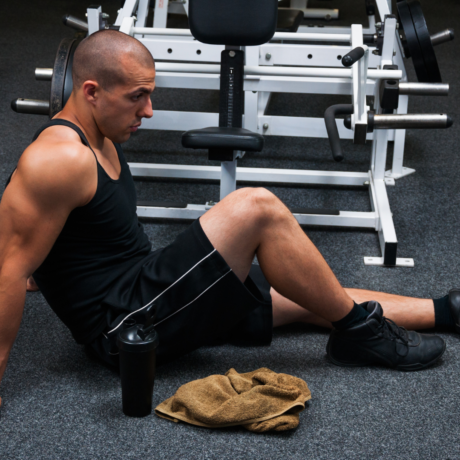
Ice therapy is most effective within the first 24 to 48 hours after a workout. During this period, inflammation and swelling are at their peak, and applying ice can significantly reduce these symptoms. If you know that a particular workout is likely to cause soreness—such as heavy weightlifting, high-intensity interval training (HIIT), or a long run—consider using ice therapy as a preventive measure immediately after your workout.
Methods of Ice Therapy
There are several ways to apply ice therapy, each with its advantages: Ice Packs: These are the most common and convenient option. You can use a commercial ice pack or a homemade one (such as a bag of frozen peas). Wrap the ice pack in a thin towel to protect your skin, then apply it to the sore area for 15 to 20 minutes. Ice Baths: For more widespread soreness, such as after a full-body workout, an ice bath might be more effective. Fill a tub with cold water and add ice until the water temperature is between 50°F and 59°F (10°C to 15°C). Soak the sore muscles for 10 to 15 minutes. While this can be uncomfortable at first, it provides relief for multiple areas at once. Cold Compresses: If you prefer a more targeted approach but don’t want to use an ice pack, cold compresses are a good alternative. These can be wrapped around the muscle and provide consistent cold pressure.
How Long to Use Ice Therapy
The key to effective ice therapy is moderation. Apply ice for 15 to 20 minutes at a time, then remove it for at least 20 to 30 minutes before reapplying. This cycle can be repeated several times a day, depending on the severity of the soreness. Avoid applying ice directly to the skin for extended periods, as this can cause frostbite or skin irritation.
Precautions and Considerations
While ice therapy is generally safe, there are a few precautions to keep in mind:
Avoid Direct Contact: Always wrap ice packs or compresses in a towel or cloth to avoid direct skin contact. This prevents frostbite and skin damage. Know When to Stop: If you experience numbness, discoloration, or excessive pain, stop the ice therapy immediately. These could be signs of overuse or an adverse reaction. Consult a Professional: If you have underlying health conditions, such as diabetes or cardiovascular issues, consult with a healthcare provider before starting ice therapy. Those with circulatory problems or nerve damage may need to avoid ice therapy altogether. Not for All Types of Pain: Ice therapy is best suited for acute muscle soreness and inflammation. If you have chronic pain or a condition like arthritis, heat therapy may be more appropriate.
Enhancing Recovery with Ice Therapy
To maximize the benefits of ice therapy, consider combining it with other recovery strategies: Rest: Give your muscles time to recover by avoiding strenuous activities for a day or two. Hydration: Drink plenty of water to help flush out toxins and support muscle recovery.
triton: Consuming protein-rich foods and anti-inflammatory nutrients like omega-3 fatty acids can further reduce soreness. Stretching and Light Exercise: Gentle stretching or low-intensity activities like walking can help maintain blood flow and flexibility without aggravating soreness.
Conclusion
Incorporating ice therapy into your post-workout routine can significantly enhance recovery and reduce muscle soreness. By applying ice packs or engaging in ice baths, you can effectively manage inflammation, ease pain, and accelerate the healing process. Remember to adhere to recommended time limits and intervals to avoid potential frostbite or discomfort. With consistent use, you’ll likely find yourself bouncing back faster from intense workouts and enjoying better overall muscle health.
If you’re interested in more personalized advice on recovery strategies or have questions about our services, our team at Chronic Gains Collective is here to help. Based in Spring Valley, CA, we’re dedicated to supporting your fitness journey with tailored solutions and expert guidance. Reach out to us to discover how we can assist you in achieving your health and wellness goals.