
Muscle soreness can be a common challenge for many, whether it’s from intense workouts, strenuous activities, or just daily physical exertion. For those in Spring Valley, CA, where outdoor activities and an active lifestyle are prevalent, finding natural remedies can be both effective and convenient. Here are some tried-and-true methods to help alleviate muscle soreness naturally:
Epsom Salt Baths
Epsom salt, rich in magnesium, is renowned for its muscle-relaxing properties. Adding a cup or two of Epsom salt to a warm bath can help reduce muscle soreness by allowing the magnesium to be absorbed through the skin. This remedy is particularly soothing after a long day of physical activity.
Epsom salt baths offer a simple yet effective way to relieve muscle soreness and promote relaxation. With their natural magnesium content and soothing properties, they can be a valuable addition to your muscle recovery regimen. By following the recommended guidelines and listening to your body, you can enjoy the full benefits of this natural remedy and enhance your overall well-being.
Turmeric and Ginger
Both turmeric and ginger possess anti-inflammatory properties that can help alleviate muscle soreness. Turmeric contains curcumin, which has been shown to reduce inflammation and pain. Incorporating turmeric into your diet through teas, curries, or supplements can be beneficial. Ginger, similarly, can be consumed as a tea or added to meals to help reduce muscle discomfort.
Integrating turmeric and ginger into your diet or routine can provide significant relief from muscle soreness due to their powerful anti-inflammatory and pain-relieving properties. Whether you prefer tea, cooking, or supplements, these natural remedies offer a holistic approach to managing muscle discomfort. As always, consult with a healthcare provider to tailor these remedies to your individual needs and ensure they are a safe and effective addition to your wellness routine.
Foam Rolling
 Foam rolling, or self-myofascial release, is a technique that helps release muscle tightness and improve blood flow. Using a foam roller on sore muscles can help break up knots and improve flexibility. It’s an easy and effective way to relieve muscle tension at home.
Foam rolling is an effective tool for muscle recovery, but it should be combined with other practices such as proper hydration, nutrition, and adequate rest. For individuals in Spring Valley, CA, who lead active lifestyles, incorporating foam rolling into your routine can support overall muscle health and enhance your performance in various physical activities.
Massage Therapy
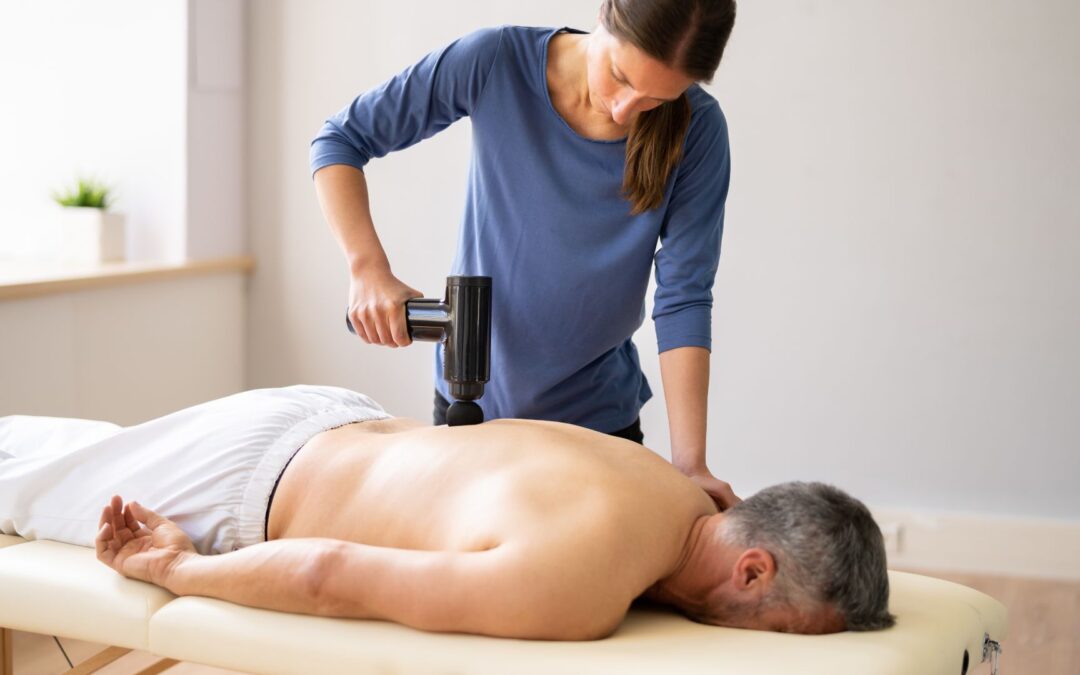
A gentle massage can improve circulation and reduce muscle tension. Whether it’s a professional massage or a DIY approach, applying gentle pressure to sore muscles can help speed up recovery. Essential oils like lavender or peppermint, when used during massage, can enhance the soothing effect.
Massage therapy is a powerful tool for managing muscle soreness and promoting overall well-being. By incorporating regular sessions into your routine and exploring different techniques, you can effectively address muscle tension, enhance recovery, and support a healthier, more active lifestyle in Spring Valley, CA.
Hydration
Staying well-hydrated is crucial for muscle recovery. Water helps flush out toxins and maintain the elasticity of muscles. Adding electrolyte-rich beverages or infusing water with fruits like lemon and cucumber can further aid in hydration..
Effective hydration is not just about drinking fluids but also about balancing your intake with your body’s needs. Combine good hydration practices with other recovery methods, such as stretching, proper nutrition, and rest, to optimize muscle recovery and reduce soreness.
Stretching and Yoga
Regular stretching and yoga can help keep muscles flexible and reduce the risk of soreness. Incorporating stretching routines or attending yoga classes can help maintain muscle health and prevent future soreness. Poses like Child’s Pose and Downward Dog are particularly effective for relieving tight muscles.
By incorporating these stretching and yoga techniques into your routine, you can effectively manage and reduce muscle soreness, enhance flexibility, and support overall muscle health.
Cold and Warm Compresses
Alternating between cold and warm compresses can help manage muscle soreness. Cold compresses can reduce inflammation and numb pain, while warm compresses can increase blood flow and relax tight muscles. Applying these compresses for 15-20 minutes at a time can provide relief.
Incorporating cold and warm compresses into your routine can provide significant relief from muscle soreness and support overall muscle health. Whether you’re recovering from an intense workout or dealing with everyday muscle tension, these natural remedies can be an effective and soothing solution.
Healthy Diet
Eating a balanced diet rich in fruits, vegetables, lean proteins, and whole grains can support muscle recovery. Foods high in antioxidants, like berries and leafy greens, can help combat inflammation and support overall muscle health.
Sleep and Rest
Adequate sleep and rest are essential for muscle recovery. Ensure you get enough restorative sleep each night to help your muscles repair and rebuild. Proper rest is just as important as active recovery techniques.
Conclusion
Muscle soreness can be a challenging hurdle in your fitness journey, but natural remedies offer effective relief. From the soothing benefits of turmeric and ginger to the relaxing properties of Epsom salt baths, incorporating these remedies into your routine can help alleviate discomfort and accelerate recovery. Additionally, practices like gentle stretching and proper hydration play crucial roles in maintaining muscle health.