
Insights into why muscles ache after workouts and how to manage it
Exercise is a cornerstone of a healthy lifestyle, offering numerous benefits like improved cardiovascular health, enhanced mood, and increased strength. However, along with these advantages comes a common complaint: post workout muscle soreness. Whether you’re new to fitness or a seasoned athlete, understanding why muscles ache after exercise and how to manage this discomfort can significantly impact your workout routine and overall well-being.
What Causes Post Workout Muscle Soreness?
Post workout muscle soreness, often referred to as Delayed Onset Muscle Soreness (DOMS), typically manifests within 24 to 72 hours after strenuous physical activity. This delayed onset distinguishes it from acute muscle soreness, which occurs during or immediately after exercise due to the buildup of lactic acid. DOMS is believed to stem from microscopic damage to muscle fibers and the surrounding connective tissue during eccentric (lengthening) contractions, such as lowering a weight or running downhill.
The process of muscle soreness begins when these contractions cause small tears in the muscle fibers. This damage triggers an inflammatory response as the body works to repair and rebuild the affected muscles. As a result, you experience soreness, stiffness, and sometimes swelling in the muscles involved. While DOMS is generally considered a normal response to exercise, its intensity and duration can vary depending on factors like the type of activity, intensity level, fitness level, and individual susceptibility.

Symptoms of Post Workout Muscle Soreness
The symptoms of DOMS can range from mild muscle tenderness and stiffness to severe pain that interferes with daily activities. Common signs include:
- Muscle Pain: Aching or soreness in the muscles, typically localized to the areas worked during exercise.
- Stiffness: Reduced range of motion and stiffness, especially noticeable when moving or stretching the affected muscles.
- Swelling: Inflammation or swelling around the muscles, although this is less common than pain and stiffness.
- Tenderness: Sensitivity to touch or pressure over the affected muscles, which can make everyday tasks uncomfortable.
Managing Post Workout Muscle Soreness
While DOMS cannot be completely avoided, there are several strategies you can employ to manage and alleviate post workout muscle soreness:
Warm-Up and Cool Down
Start your workout with a dynamic warm-up to increase blood flow to the muscles and prepare them for activity. Incorporate light cardio and dynamic stretches to gently raise your heart rate and loosen muscles. After your workout, perform a cool-down routine that includes static stretches to help relax and lengthen muscles, promoting circulation and reducing stiffness.
Hydration and Nutrition
Proper hydration and nutrition are essential for muscle recovery. Drink plenty of water before, during, and after exercise to maintain hydration levels and support metabolic processes. Focus on a balanced diet rich in lean proteins, complex carbohydrates, and antioxidants to provide essential nutrients for muscle repair and reduce inflammation.
Gradual Progression
Avoid sudden increases in exercise intensity or duration, as this can exacerbate muscle soreness and increase the risk of injury. Gradually progress your workouts over time, allowing your muscles to adapt and strengthen without undue strain.
Stretching and Foam Rolling
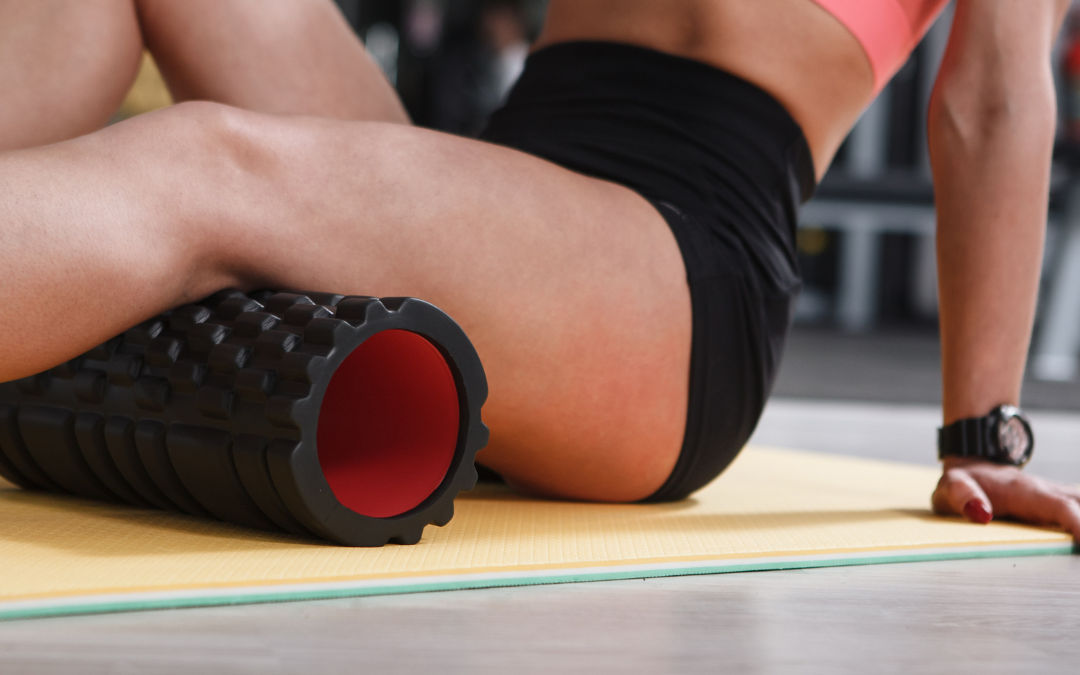
Incorporate stretching exercises and foam rolling into your post workout routine to alleviate muscle tightness and improve flexibility. Focus on stretching major muscle groups worked during exercise, holding each stretch for 15-30 seconds without bouncing. Use a foam roller to apply gentle pressure to tight areas, releasing tension and promoting blood flow to aid in muscle recovery.
Massage Therapy
Professional massage therapy or self-massage techniques can help reduce muscle soreness and improve recovery. Massage increases blood circulation to the muscles, facilitating the removal of metabolic waste products and reducing inflammation. Techniques such as Swedish massage, deep tissue massage, and sports massage can target specific areas of soreness and promote relaxation.
Heat and Cold Therapy
Alternating between heat and cold therapy can provide relief from post workout muscle soreness. Apply ice packs (cold therapy) to sore muscles immediately after exercise to reduce inflammation and numb pain. Use heat therapy, such as warm baths or heating pads, to increase blood flow and relax tight muscles. Be cautious with both therapies to avoid burns or frostbite, and limit treatment sessions to 15-20 minutes at a time.
Rest and Recovery
Allow adequate time for rest and recovery between workouts to give your muscles time to repair and rebuild. Incorporate active recovery days with low-impact activities like walking, swimming, or yoga to promote blood flow and maintain mobility without placing additional stress on muscles.
Preventing Post Workout Muscle Soreness
Preventing post workout muscle soreness is a proactive approach to maintaining a consistent exercise regimen without the discomfort that often follows intense physical activity. One effective strategy is to focus on gradual progression in your workouts. By slowly increasing the intensity and duration of your exercises over time, you give your muscles the opportunity to adapt and strengthen without experiencing excessive strain or trauma. This approach not only minimizes the likelihood of severe soreness but also reduces the risk of injury, allowing for more sustainable progress in your fitness journey.
Another key factor in preventing muscle soreness is maintaining proper hydration and nutrition. Adequate hydration supports optimal muscle function and helps flush out metabolic waste products that contribute to soreness. Meanwhile, a balanced diet rich in lean proteins, complex carbohydrates, and antioxidants provides the essential nutrients your muscles need to recover efficiently after exercise. By combining these strategies with proper warm-up and cool-down routines, you can significantly reduce the onset and severity of post workout muscle soreness, allowing you to enjoy the benefits of exercise with greater comfort and effectiveness.
When to Seek Medical Advice
In most cases, post workout muscle soreness is a normal response to exercise and resolves on its own within a few days. However, consult a healthcare professional if you experience:
Persistent Pain
If you experience intense or persistent pain that does not improve with rest or over-the-counter pain relievers, it may indicate a more serious issue such as a muscle tear or strain that requires medical evaluation.
Severe Swelling
Significant swelling, redness, or warmth around the affected muscles could be a sign of inflammation or infection. This may require medical attention to rule out more serious conditions such as compartment syndrome or cellulitis.
Limited Range of Motion
Difficulty moving or using the affected muscles beyond normal soreness could indicate a potential injury, such as a joint sprain or ligament strain. Seeking medical advice can help determine the extent of the injury and appropriate treatment options.
Persistent Symptoms
If symptoms persist for more than a few days despite conservative treatments like rest, ice, compression, and elevation (RICE protocol), consulting a healthcare professional can help identify underlying causes and ensure proper management.
History of Chronic Conditions
Individuals with pre-existing medical conditions such as arthritis, diabetes, or cardiovascular disease should consult a healthcare provider if they experience unusual or prolonged muscle soreness after exercise, as it may be related to their underlying health condition.
Recent Trauma or Injury
If muscle soreness follows a recent trauma or injury, such as a fall or accident, it’s important to seek medical advice to rule out fractures, sprains, or other musculoskeletal injuries that may require specialized care.
Unexplained Symptoms
If you experience symptoms such as muscle weakness, numbness, tingling, or loss of sensation in addition to muscle soreness, it could indicate nerve compression or other neurological issues that require medical evaluation.
Concerns about Overtraining
Athletes or individuals who engage in intense or prolonged exercise regimens may be at risk of overtraining syndrome, characterized by persistent fatigue, mood changes, and decreased performance. Seeking medical advice can help prevent complications associated with overtraining and ensure appropriate adjustments to training routines.
Managing and Alleviating Post Workout Muscle Soreness
Managing and alleviating post workout muscle soreness involves several effective strategies aimed at reducing discomfort and promoting faster recovery. One key approach is to implement a thorough warm-up and cool-down routine before and after exercise sessions. A dynamic warm-up helps increase blood flow to the muscles, preparing them for activity and reducing the risk of injury. After workouts, a cool-down routine, including static stretches, helps relax muscles and prevent stiffness.
Hydration and nutrition also play crucial roles in muscle recovery. Drinking plenty of water before, during, and after exercise helps maintain hydration levels and supports muscle function. A balanced diet rich in lean proteins, complex carbohydrates, and anti-inflammatory foods like fruits and vegetables provides essential nutrients for muscle repair. Additionally, incorporating techniques such as foam rolling, massage therapy, and applying heat or cold packs to sore muscles can further aid in alleviating post workout muscle soreness. By integrating these practices into your fitness routine, you can optimize recovery, reduce soreness, and enhance overall performance.
Conclusion
Understanding post workout muscle soreness empowers individuals to manage their fitness journey effectively. By implementing strategies such as proper warm-up and cool-down routines, hydration, nutrition, and targeted recovery techniques like foam rolling and massage therapy, individuals can alleviate discomfort and promote quicker recovery. At Chronic Gains Collective, holistic approaches to fitness and recovery are emphasized, ensuring clients receive personalized guidance. With these insights and practices, navigating post workout muscle soreness is more manageable, achieving greater comfort and sustainable progress in fitness endeavors.