

Essential techniques for minimizing downtime and maximizing your fitness progress
After an intense workout, those sore muscles can really slow you down. Whether you’re hitting the gym for strength training, going for a run, or trying a new yoga class, the aftermath of exercise often includes muscle soreness and fatigue. However, there are several strategies you can employ to speed up your muscle recovery and get back to feeling your best in no time.
Understanding Muscle Recovery
Understanding how your muscles recover after exercise is key to optimizing your fitness journey. When you engage in activities like resistance training or intense cardio, you create microscopic tears in your muscle fibers. These tears are a natural part of muscle growth—when they heal, your muscles become stronger and more durable.
However, this process often leads to delayed onset muscle soreness (DOMS), characterized by discomfort and stiffness in the affected muscles. DOMS is primarily due to inflammation and the repair of these micro-tears. Effective recovery strategies, such as proper nutrition, rest, and targeted recovery techniques, play a crucial role in facilitating this healing process, reducing soreness, and minimizing the risk of injury. By understanding and supporting your muscles’ recovery, you can enhance your overall performance and maintain a sustainable exercise regimen.
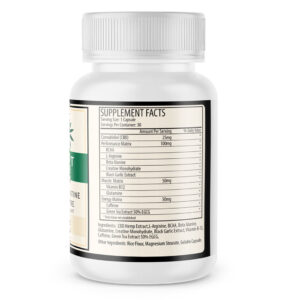
Nutrition for Muscle Recovery
Nutrition plays a crucial role in muscle recovery. After a workout, your muscles need nutrients to repair and rebuild. Here are some key nutrients to focus on:
Protein
Consuming protein-rich foods or supplements post-exercise provides amino acids, the building blocks of muscle tissue. Aim for sources like lean meats, eggs, dairy, legumes, and protein shakes.
Carbohydrates
Carbs replenish glycogen stores, which are your muscles’ primary energy source during exercise. Opt for complex carbohydrates like whole grains, fruits, and vegetables.
Antioxidants
These combat oxidative stress caused by exercise and support muscle repair. Include colorful fruits and vegetables, nuts, seeds, and green tea in your diet.
Omega-3 Fatty Acids
Found in fish, flaxseeds, and walnuts, omega-3s help reduce inflammation and promote muscle recovery.
Hydration
Water is essential for every bodily function, including muscle repair. Drink plenty of water throughout the day and after your workout.
Rest and Sleep
Rest and sleep are vital components of muscle recovery and overall physical well-being. While the temptation to push through consecutive workouts may be strong, allowing your muscles time to rest is essential for optimal repair and growth. During periods of rest, your muscles undergo repair processes that strengthen them and enhance their resilience. Adequate sleep, ideally between 7-9 hours per night, is especially critical as it facilitates the release of growth hormone.
This hormone not only supports muscle tissue repair but also stimulates muscle growth, helping you achieve better fitness results over time. Prioritizing rest and sleep in your routine is not just about feeling refreshed; it’s about maximizing the benefits of your hard work in the gym and ensuring long-term health and fitness success.
Active Recovery Techniques
Active recovery involves low-intensity activities that increase blood flow to your muscles without causing additional stress. This can include:
- Light Exercise: Gentle activities like walking, swimming, or yoga can help loosen tight muscles and improve circulation.
- Foam Rolling: Using a foam roller helps release tension in muscles, reduce soreness, and improve flexibility.
- Stretching: Incorporate static and dynamic stretches to improve range of motion and prevent muscle stiffness.
Recovery Modalities
Recovery modalities beyond nutrition and rest play a crucial role in enhancing muscle recovery and overall athletic performance. Massage therapy, whether through professional sessions or self-administered techniques like foam rolling, helps alleviate muscle tension and improve blood circulation. Professional massages employ targeted techniques to release tightness and promote relaxation, while foam rolling allows for personalized, deep tissue massage to reduce muscle soreness and improve flexibility.
Compression garments, such as sleeves or socks, aid in recovery by applying gentle pressure to muscles, which enhances blood flow and reduces swelling. This promotes faster healing and supports muscle stability during and after physical activity. Meanwhile, cold therapy, like ice packs or cryotherapy, reduces inflammation and numbs pain, ideal for immediate post-workout relief. Heat therapy, using heat pads or warm baths, increases blood flow to relax muscles and accelerate recovery. Lastly, electrical muscle stimulation (EMS) devices stimulate muscles with electrical impulses to enhance blood circulation and reduce soreness, making them valuable tools for recovery and rehabilitation. Integrating these modalities into your routine can optimize recovery, reduce muscle soreness, and improve overall performance.
Effective Ways to Heal Muscles After Exercise
Effective muscle recovery post-exercise is essential for maintaining performance and preventing injury. One of the most crucial steps is ensuring adequate nutrition, focusing on consuming a balance of protein and carbohydrates. Protein provides the necessary building blocks for muscle repair, while carbohydrates replenish glycogen stores depleted during exercise, supporting energy levels and recovery. Hydration is equally vital; drinking water helps flush out metabolic waste and ensures optimal muscle function.
Rest and sleep are non-negotiable. During sleep, the body releases growth hormone, which aids in repairing and rebuilding muscles. Active recovery, such as gentle stretching or low-intensity activities like swimming, promotes blood flow to sore muscles, facilitating the delivery of nutrients and oxygen essential for recovery. Additionally, techniques like massage therapy and using compression garments can further enhance circulation, reduce inflammation, and alleviate muscle tension, expediting the healing process. By implementing these effective strategies consistently, you can support muscle healing, reduce post-exercise soreness, and optimize your fitness journey.
Achieve Rapid Muscle Recovery
Achieving rapid muscle recovery requires a multifaceted approach that begins immediately post-exercise. First and foremost, prioritize hydration to replenish fluids lost during workouts and support optimal muscle function. Water helps transport nutrients throughout the body and aids in the removal of metabolic waste products, crucial for reducing muscle soreness. Simultaneously, focus on nutrition by consuming a combination of protein and carbohydrates within the first hour after exercise. Protein supplies amino acids needed for muscle repair and growth, while carbohydrates replenish glycogen stores, ensuring your muscles have the energy to recover effectively.
Rest plays a pivotal role in muscle recovery. Aim for quality sleep of 7-9 hours each night, as this is when the body releases growth hormone to repair tissues and restore energy levels. Incorporate active recovery techniques like gentle stretching or yoga to enhance blood circulation and flexibility, promoting faster recovery and reducing muscle stiffness. Finally, consider the use of recovery modalities such as cold therapy with ice packs to reduce inflammation or heat therapy to improve blood flow and relax muscles. By integrating these strategies into your post-workout routine consistently, you can expedite muscle recovery, minimize downtime between workouts, and maintain peak performance levels.
Optimize Muscle Healing After Your Workout
To optimize muscle healing after your workout, start by ensuring you consume a balanced diet rich in nutrients that support recovery. Protein-rich foods like lean meats, eggs, and legumes provide essential amino acids crucial for repairing muscle tissue damaged during exercise. Carbohydrates are equally important to replenish glycogen stores, which fuel your muscles and aid in recovery. Hydration is key as well; drinking enough water supports nutrient transport and helps flush out toxins that can hinder recovery.
In addition to nutrition, prioritize adequate rest and sleep. During sleep, the body undergoes repair processes that rebuild muscle fibers and restore energy levels. Aim for consistent sleep patterns and create a sleep-friendly environment to maximize these benefits. Incorporate light activities like walking or cycling into your recovery routine to increase blood flow and promote muscle relaxation. Consider utilizing recovery tools such as foam rollers or massage therapy to alleviate muscle tension and improve flexibility. By adopting these practices consistently, you can optimize muscle healing,
Conclusion
Achieving rapid muscle recovery is within reach with the right strategies and dedication. At Chronic Gains Collective, the emphasis lies in combining proper nutrition, hydration, rest, and targeted recovery techniques to optimize muscle healing post-workout. Prioritizing protein and carbohydrates, staying hydrated, and ensuring adequate sleep supports muscle repair and replenishes energy stores effectively. Incorporating active recovery methods, like gentle stretching and using recovery modalities such as massage therapy or cold therapy, further accelerates the healing process. With consistency and mindful recovery practices, individuals can minimize muscle soreness, reduce injury risk, and maintain peak performance levels in their fitness journey.